Kreuzstein Rock in the Traun River
In the Traun River, at the level of the northern bypass junction of B 145 road (junction to the city centre)
In the Traun River, at the level of the northern bypass junction of B 145 road (junction to the city centre)
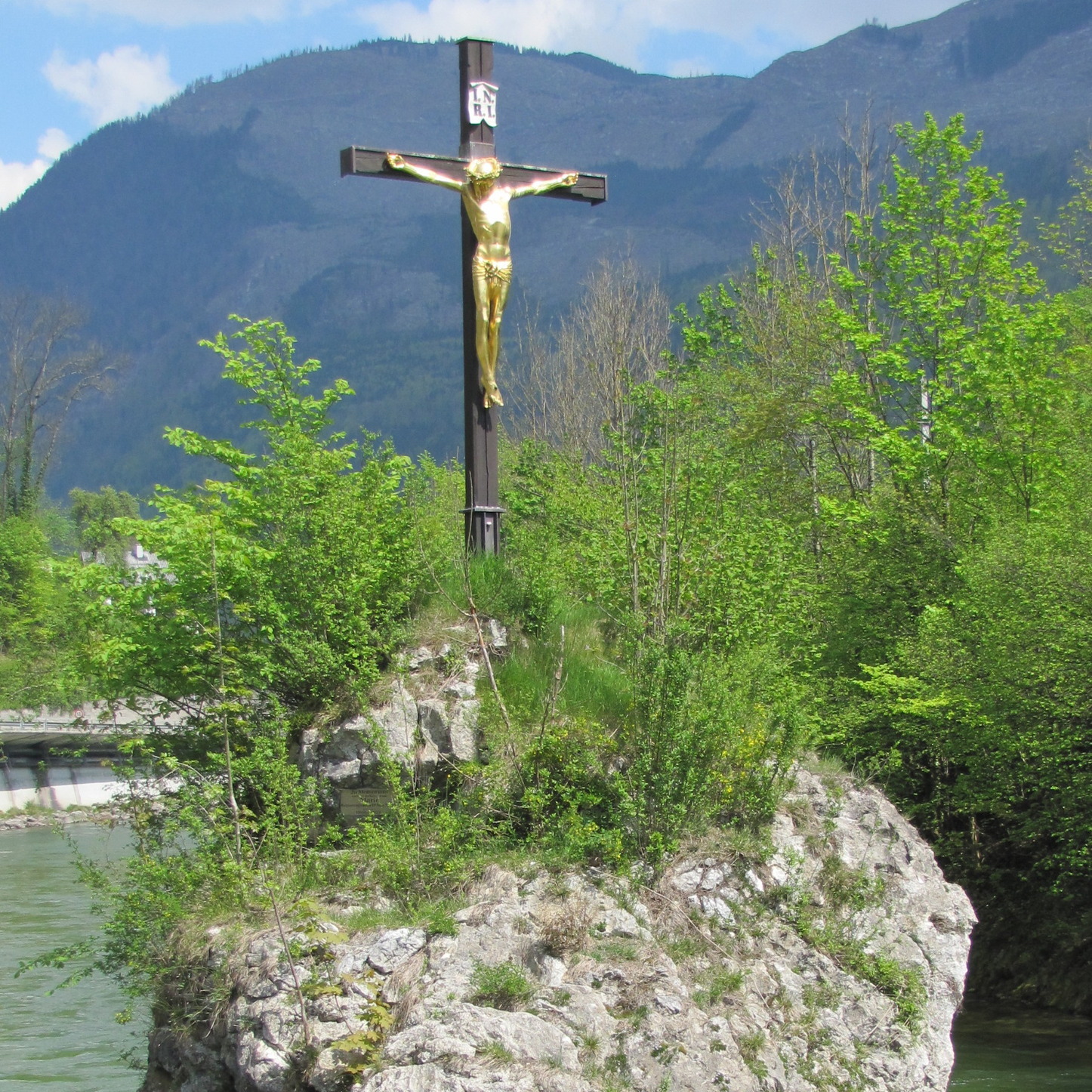
Until the 19th century, the Upper Kreuzstein rock was called "coal rock” (Kohl(en)stein). The rock was used as a bridge pillar by a huge timber transport facility, which was used to help transport firewood from the Rettenbach valley to the Ischl salt works around 1720. The name “coal rock” (Kohlstein) probably derives from a facility at the mouth of the Rettenbach river, where washed-up waste wood from the nearby Rettenbach river was carbonized.
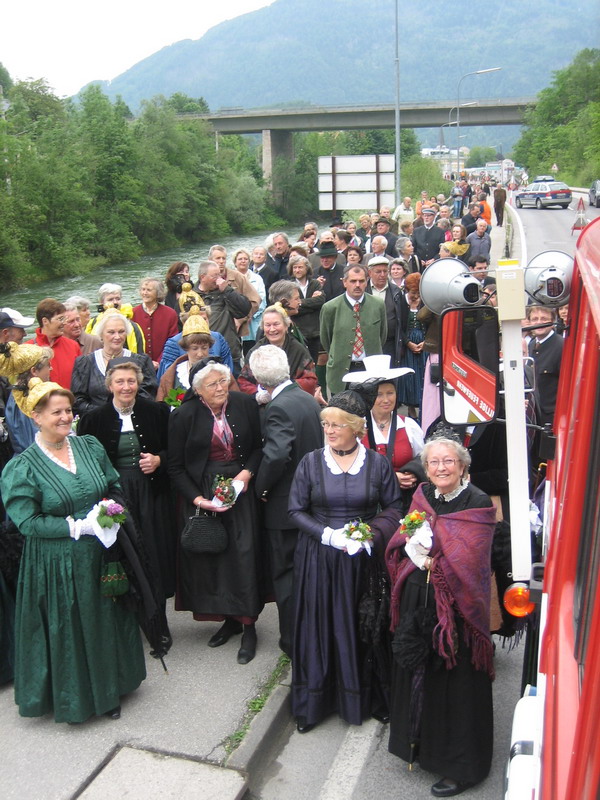
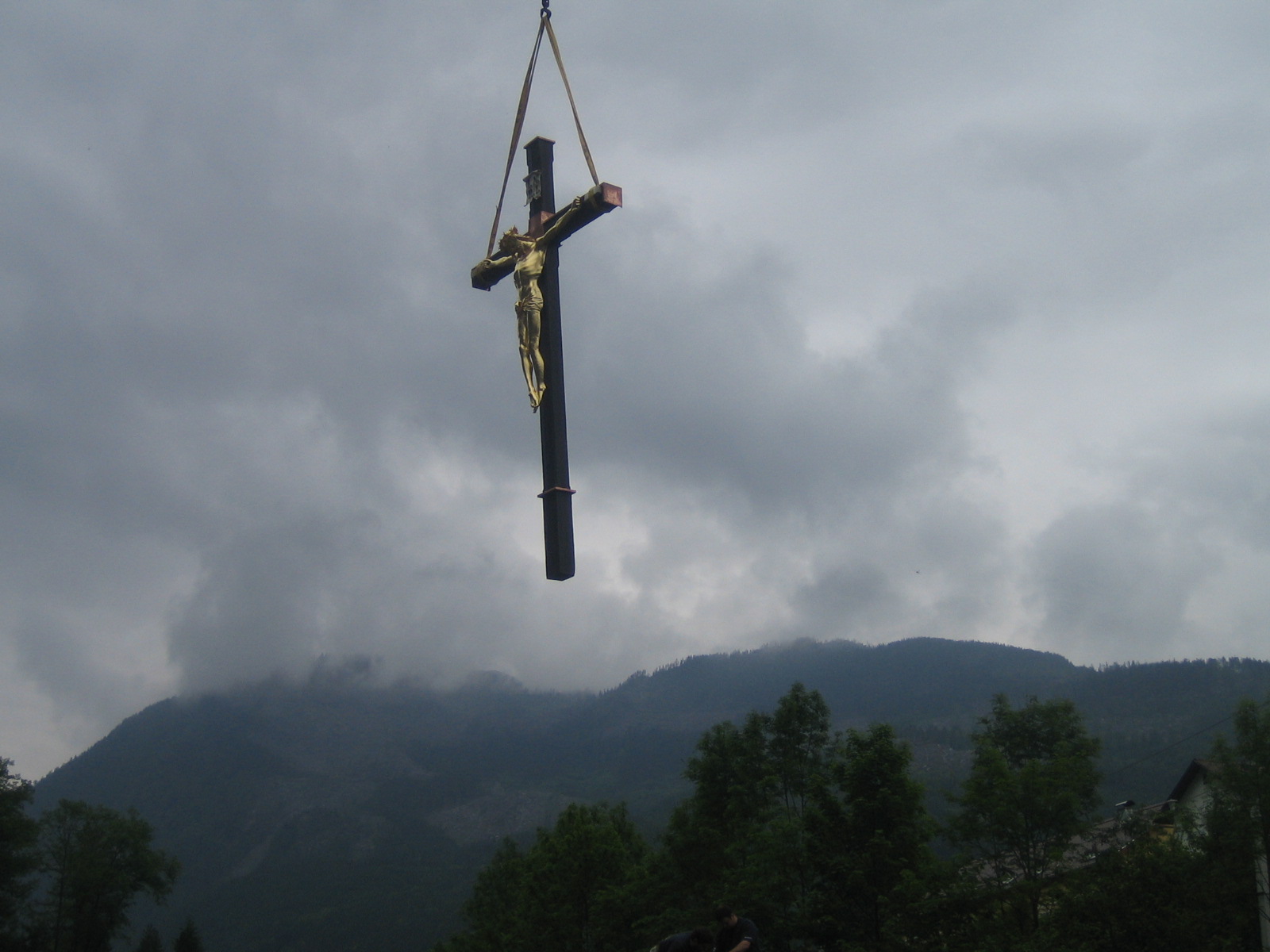
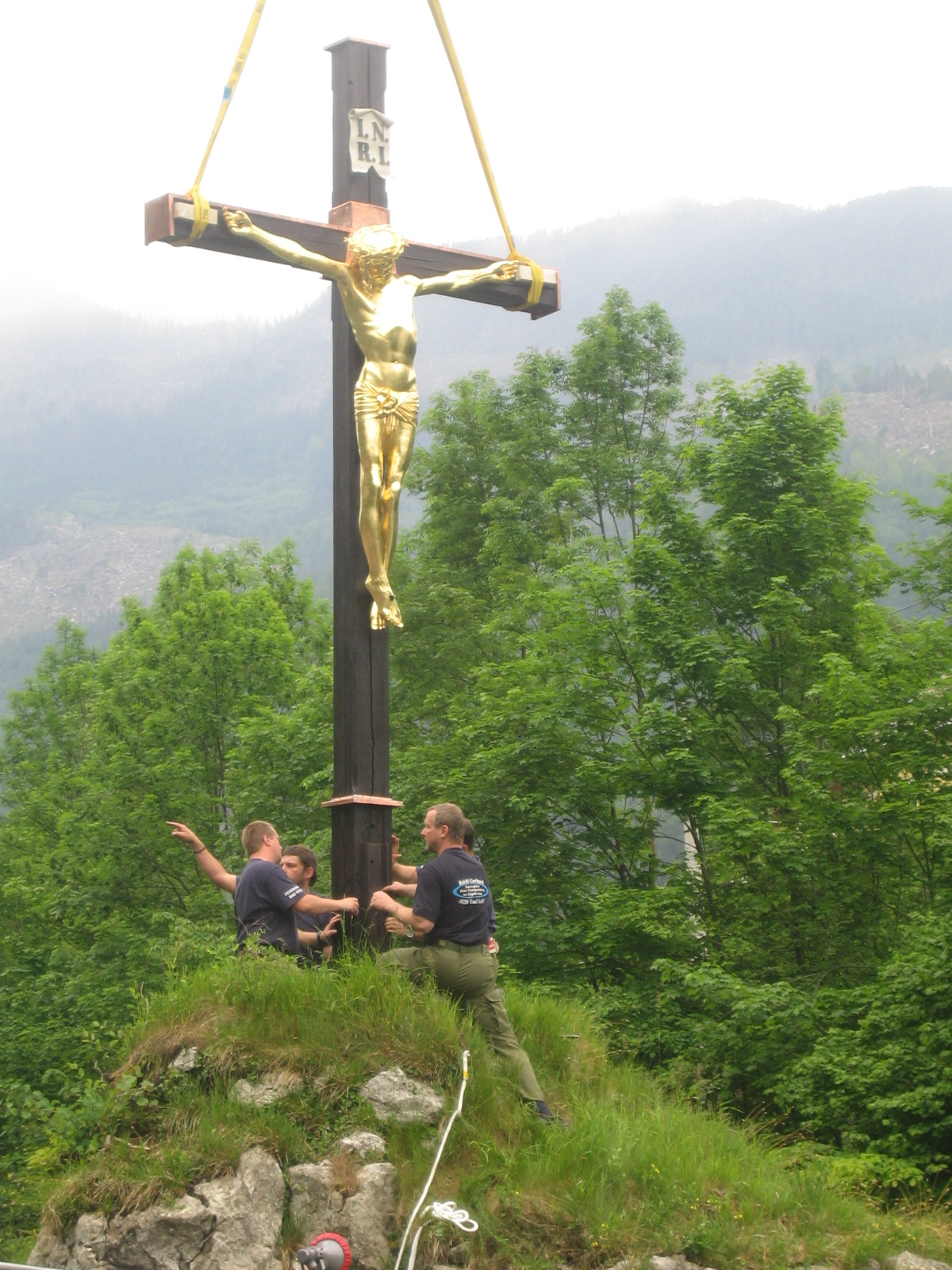
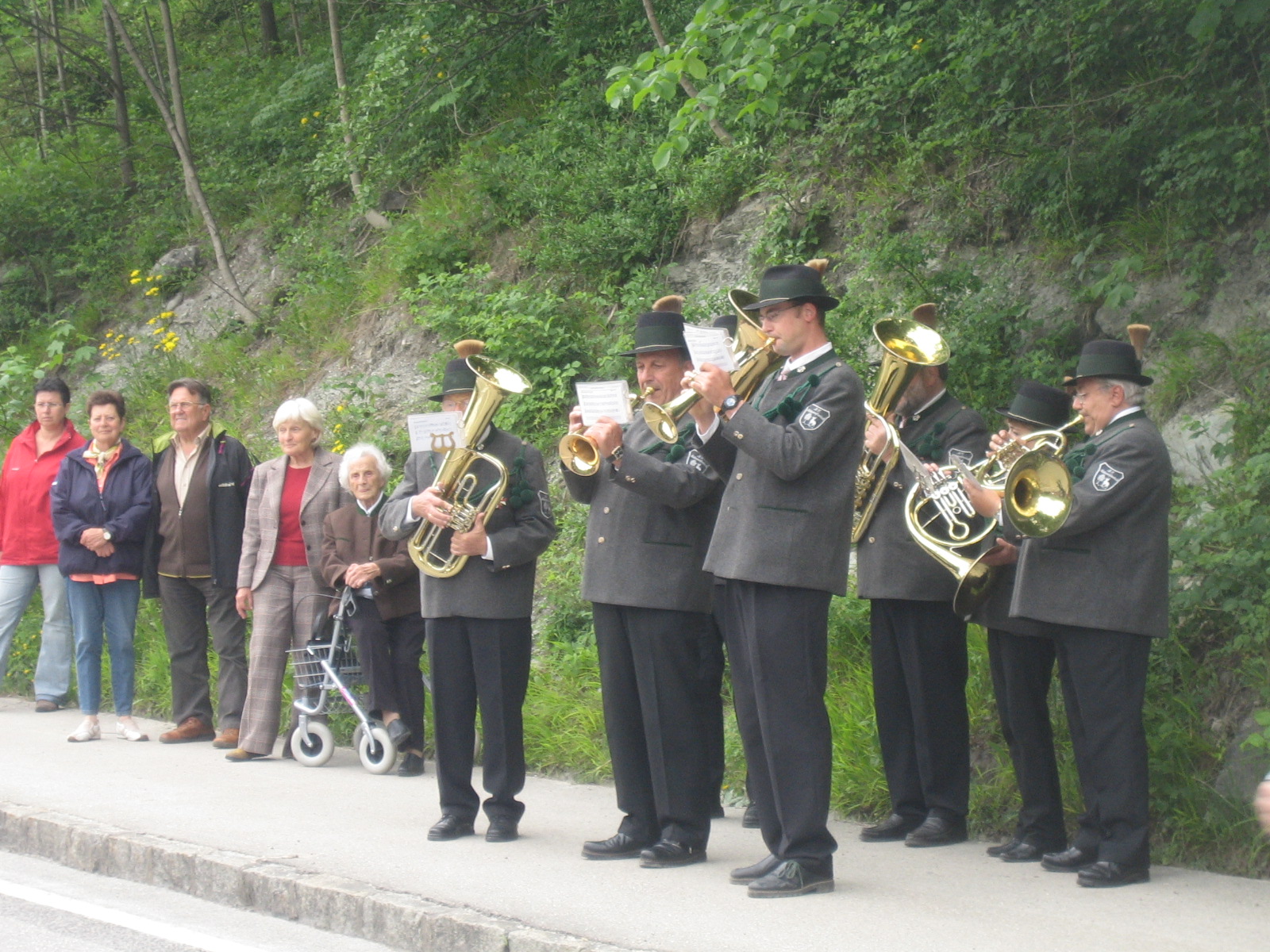
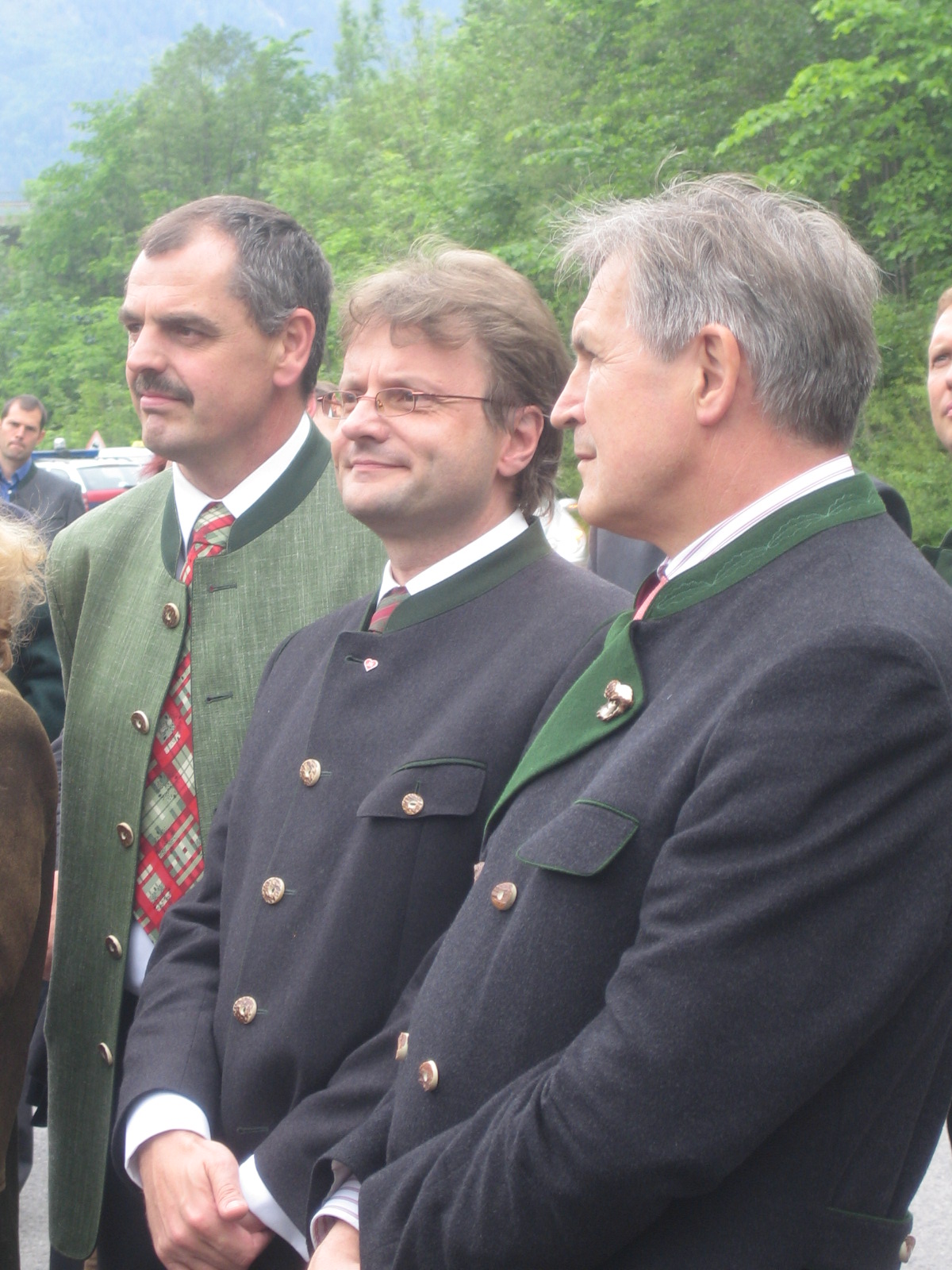
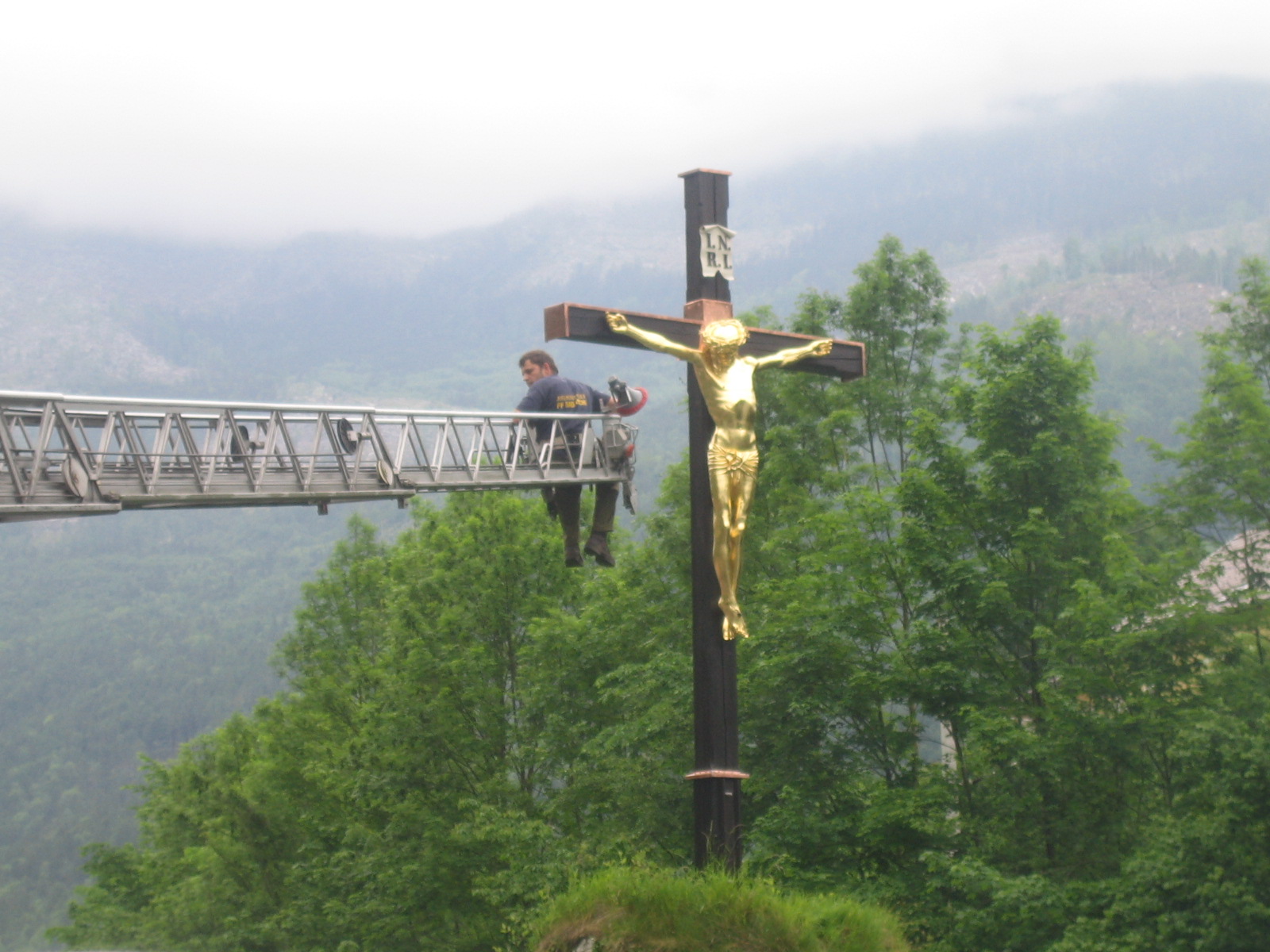
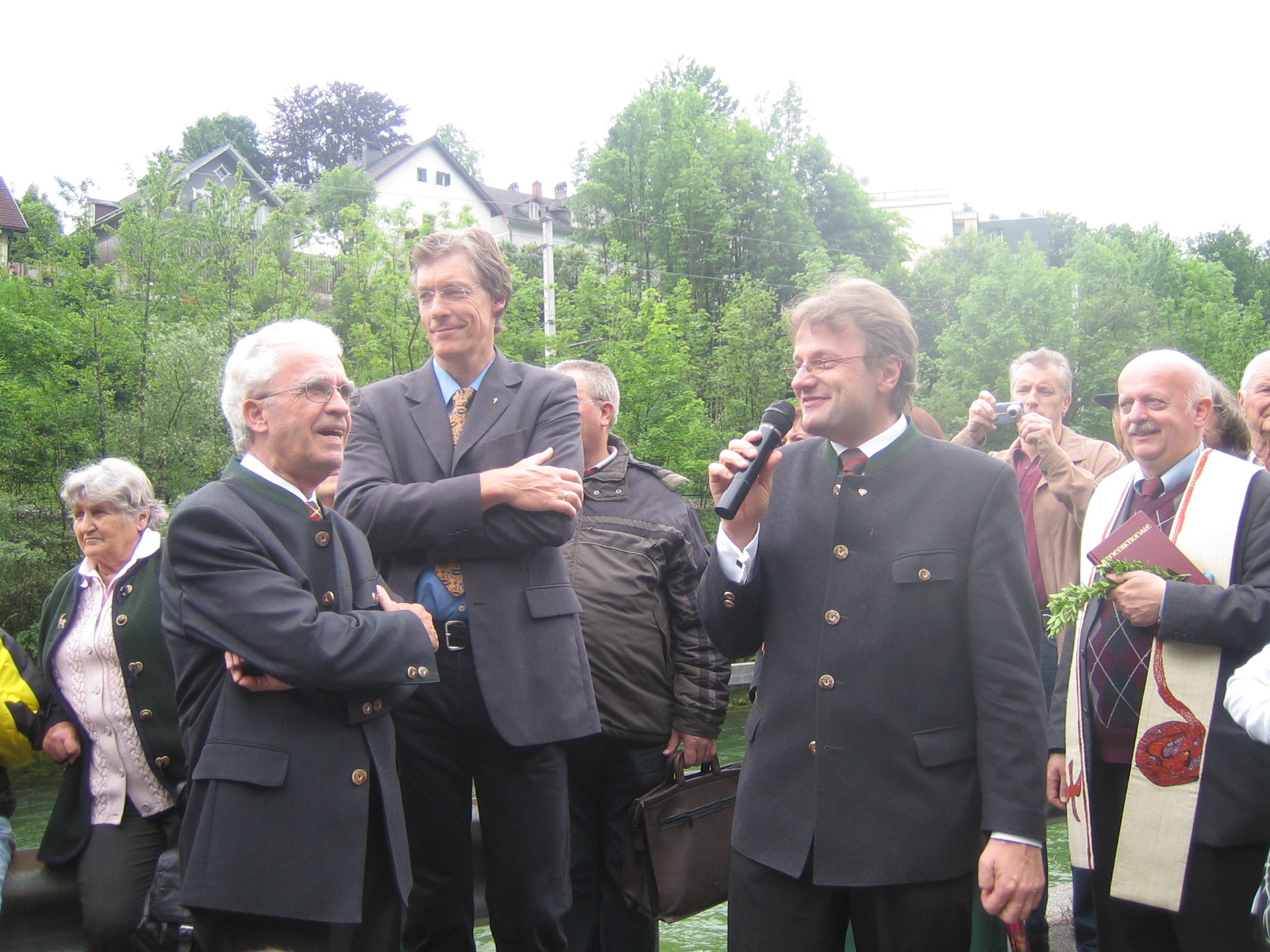
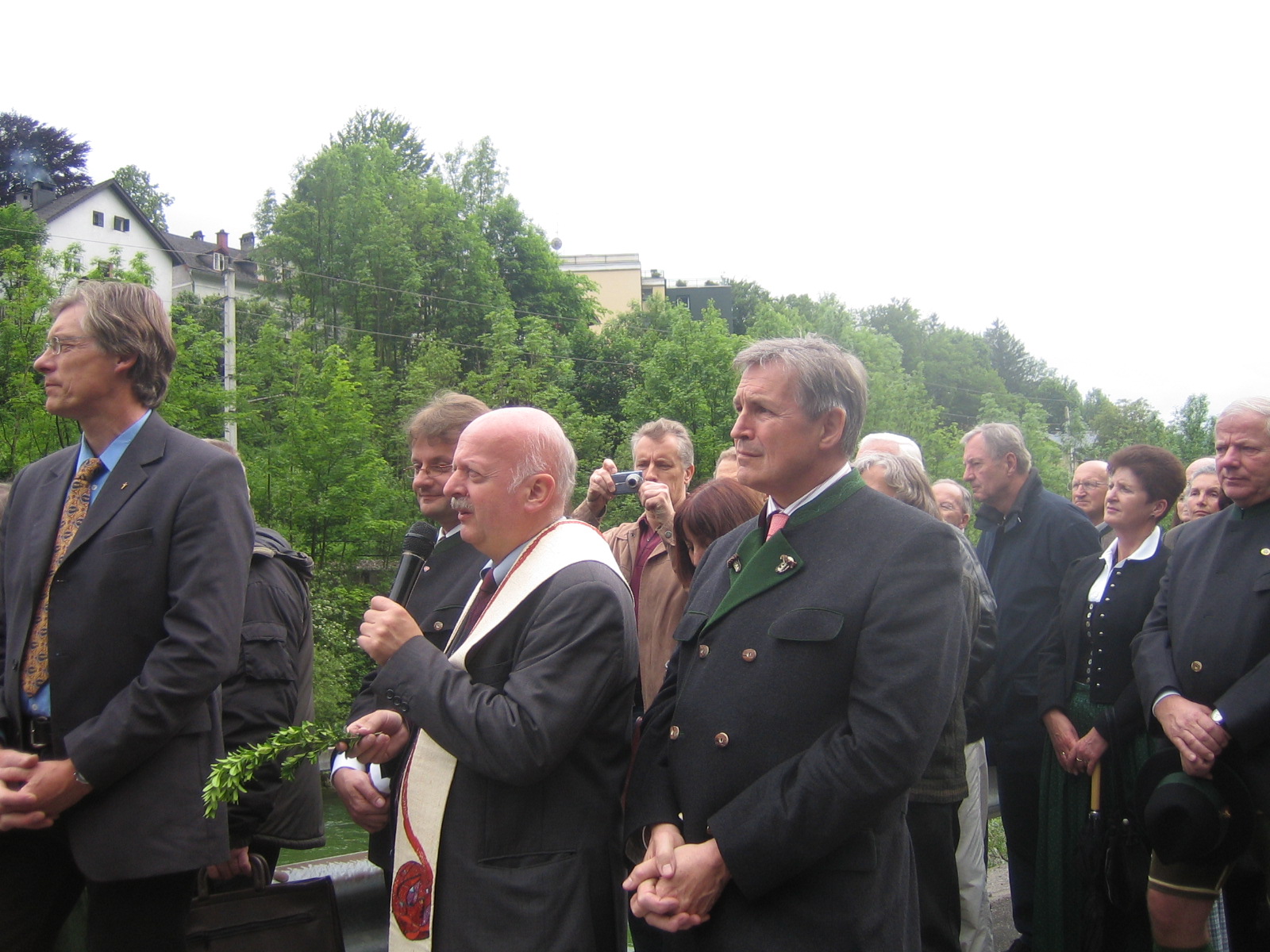
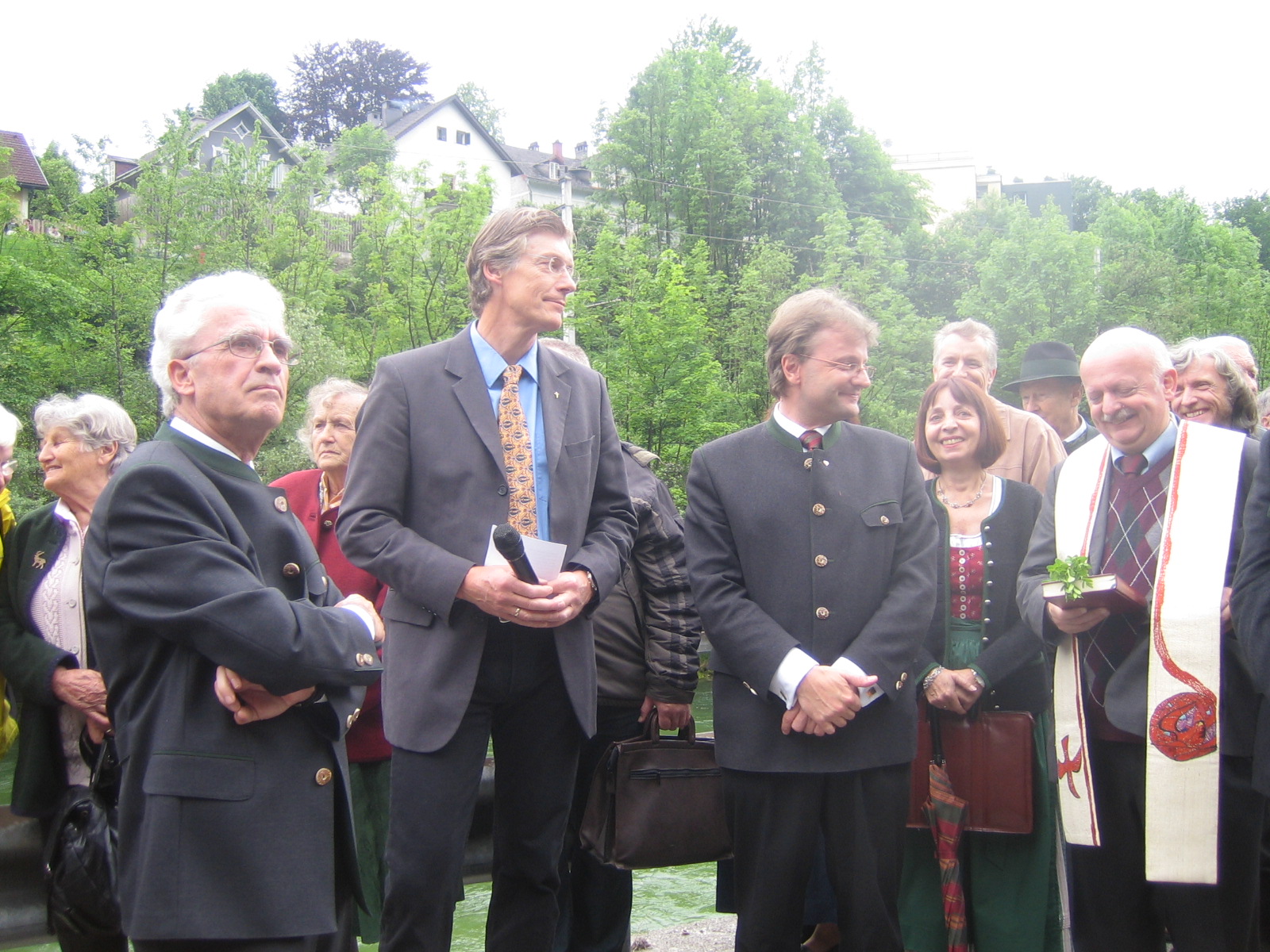
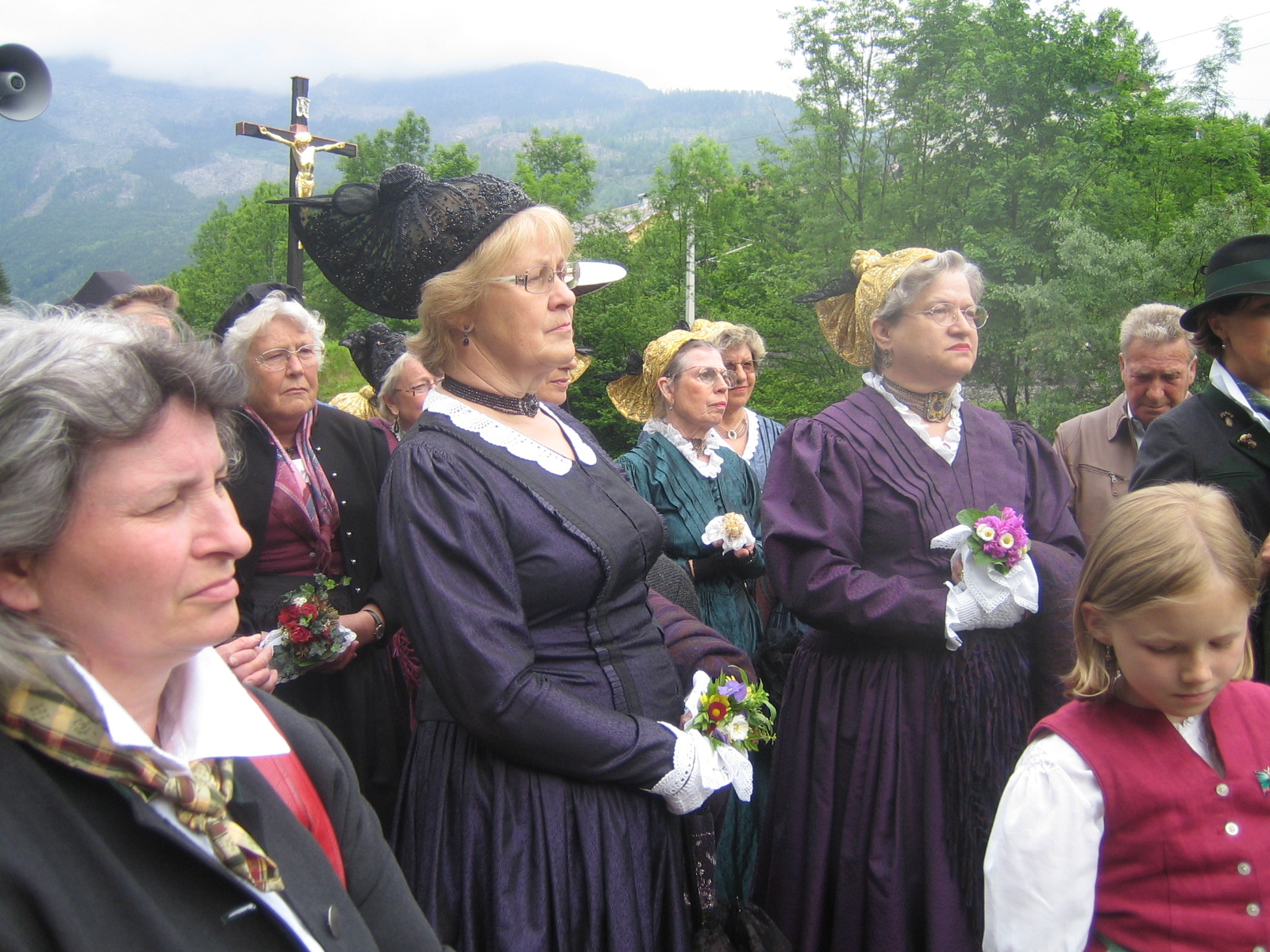
The first evidence of a cross on the “coal rock” (Kohlstein) is provided by a copper engraving dated 1796. Dr. Wirer donated a new cross. The corpus that still exists today was donated in 1855 by court gardener Franz Rauch, who was then commissioned with the redesign of the future imperial summer residence. Since then, the cross has been repeatedly demolished by storms and sometimes found damaged far away in the Traun River. But the greatest damage was caused by the "restoration" of 1975, when the corpus was filled with concrete on the inside. The damage caused by this was repaired during the last restoration initiated by the Cultural Heritage Society of Bad Ischl (Ischler Heimatverein) in 2008. Now, the landmark is in very good condition again. The restored cross was consecrated on 23 May 2008. Unfortunately, the formerly romantic surroundings suffered greatly due to the road construction of the 1970s, but luckily this did not harm the popularity of the Kreuzstein Rock.
The somewhat larger-than-life-sized corpus, mounted on a free-standing larch wood cross (from 1975), is a copy of the Gothic rood screen cross in Vienna's St. Stephen's Cathedral, which was largely burned in 1945. The corpus was made by the Mohrenberg foundry in Vienna. There are several casts of this sculpture; nine pieces are known of. The "Christ of Ischl” has been gilded since the 19th century, but there is evidence that it was originally natural.