Stefan Zweig Commemorative Plaque
Kaiser-Franz-Josef-Straße 16
Kaiser-Franz-Josef-Straße 16
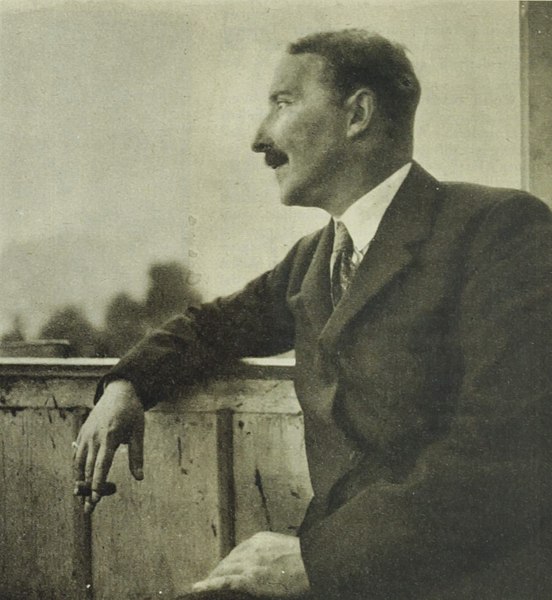
Stefan Zweig was one of the most widely read German writers in the 1920s and ‘30s of the 20th century. hHis works were translated into more than 50 languages and millions of copies were sold.
He was born into a Bohemian upper-middle-class family of Jewish origin, and grew up in Vienna, which he described in his autobiography The World of Yesterday (Die Welt von gestern, 1942). Later, when he was a pacifist, he wrote the drama Jeremias (1917), and moved to Switzerland. After his return to Austria, he settled with his wife Friederike in Salzburg, where he spent perhaps his most successful years as a writer.
Zweig's work is very diverse and includes poetry, dramas, novellas (i.e., short stories), legends, novels, historical and literary biographies as well as over 20,000 letters. His most famous story is the Chess Novella (Schachnovelle), which he wrote just before his suicide in Petropolis, Brazil. Like many of his other works, the novella was the basis for an outstanding film adaption (1960, with Curd Jürgens and Mario Adorf).
Reference to Ischl
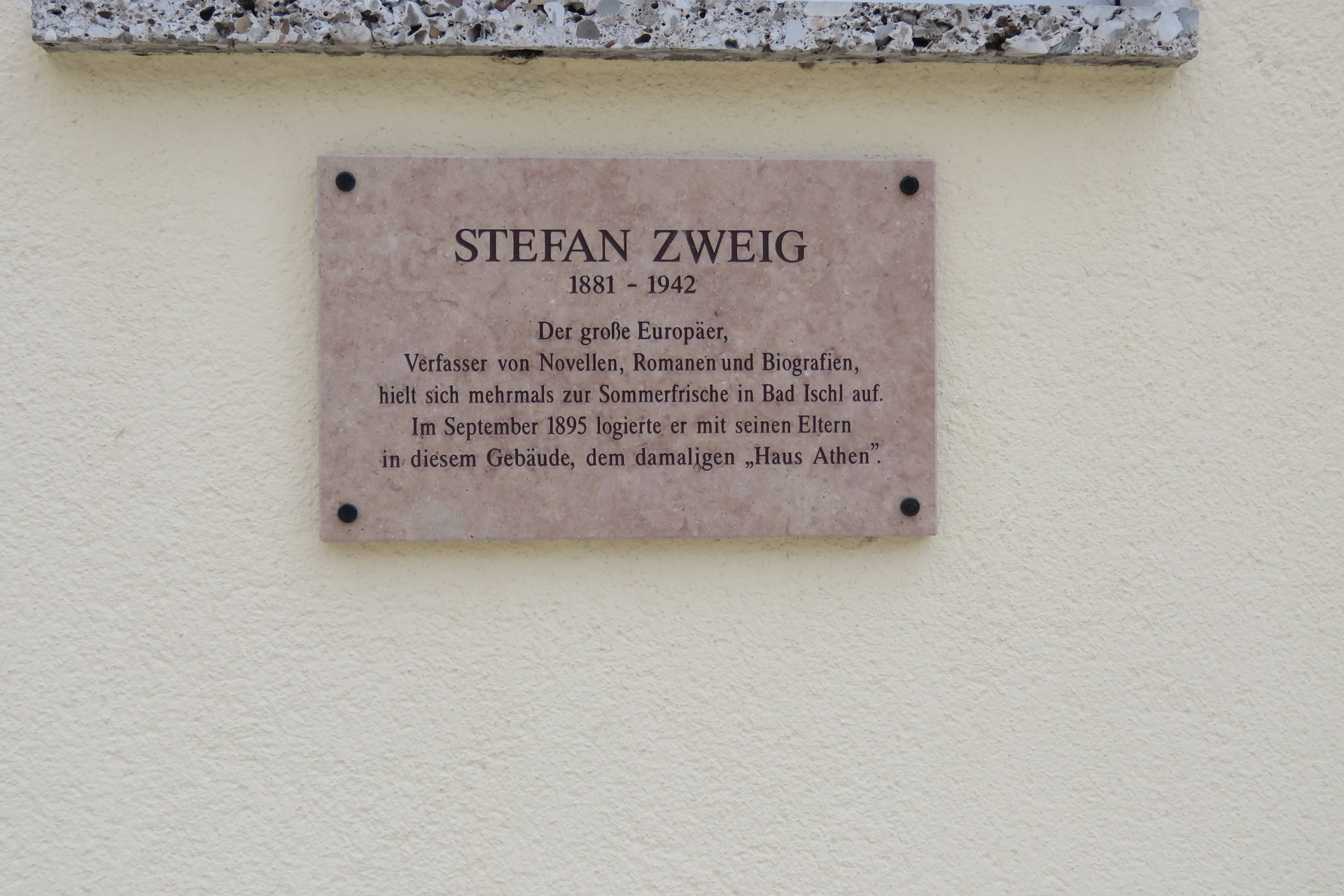
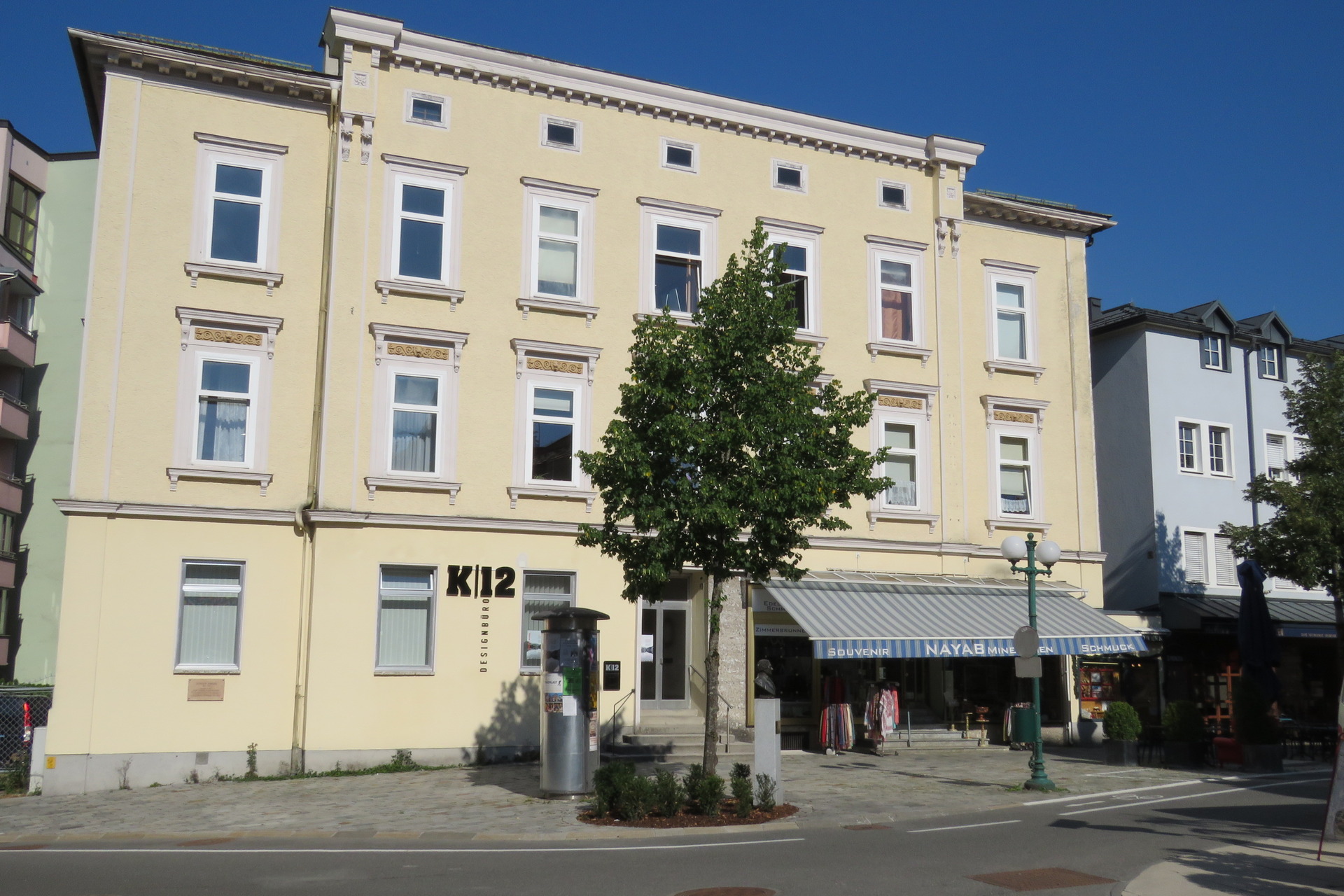
For the Zweig family, it was good manners to spend the summers in Ischl. Stefan Zweig considered the visits more as a compulsion, and it was only later that he had nostalgic memories of his time in Ischl. In 1890 and 1891 he stayed in Bad Ischl for the first time. In 1895, the family stayed at the Haus Athen, where the commemorative plaque is placed. Further stays were in 1899 and 1900. Zweig gaves us a touching view of the post-war Ischl of 1919 in his work From a Closed World (Aus abgesperrter Welt).
When in Petropolis, Brazil, Zweig wrote to his childhood friend Felix Braun shortly before his death: "Petropolis is a small Semmering, only more primitive, just like the Salzkammergut in 1900 - it is kind of a miniature Ischl" (source: The Worlds of Paul Frischauer (Die Welten des Paul Frischauer by Ursula Prutsch and Klaus Zeyringer).
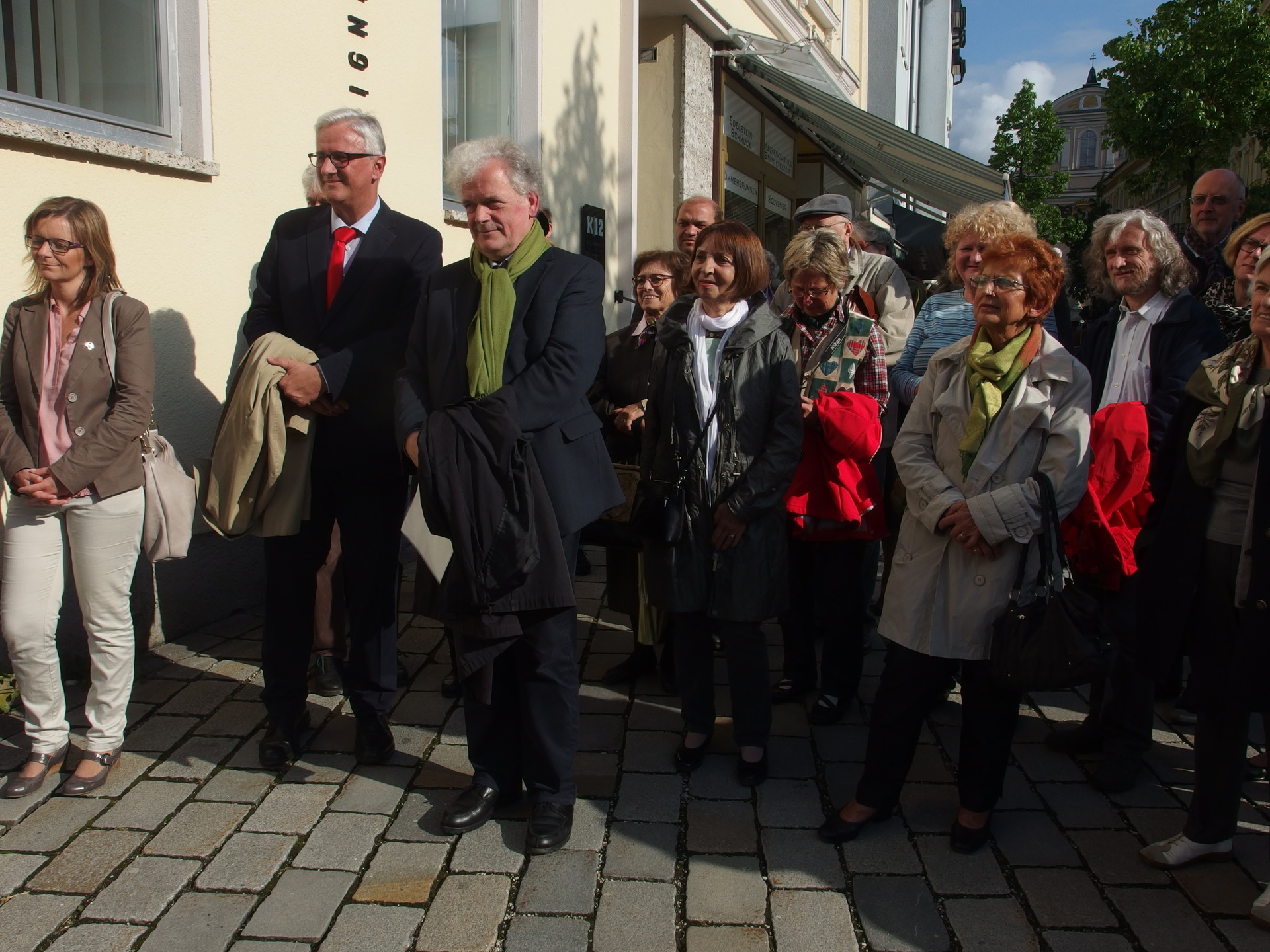
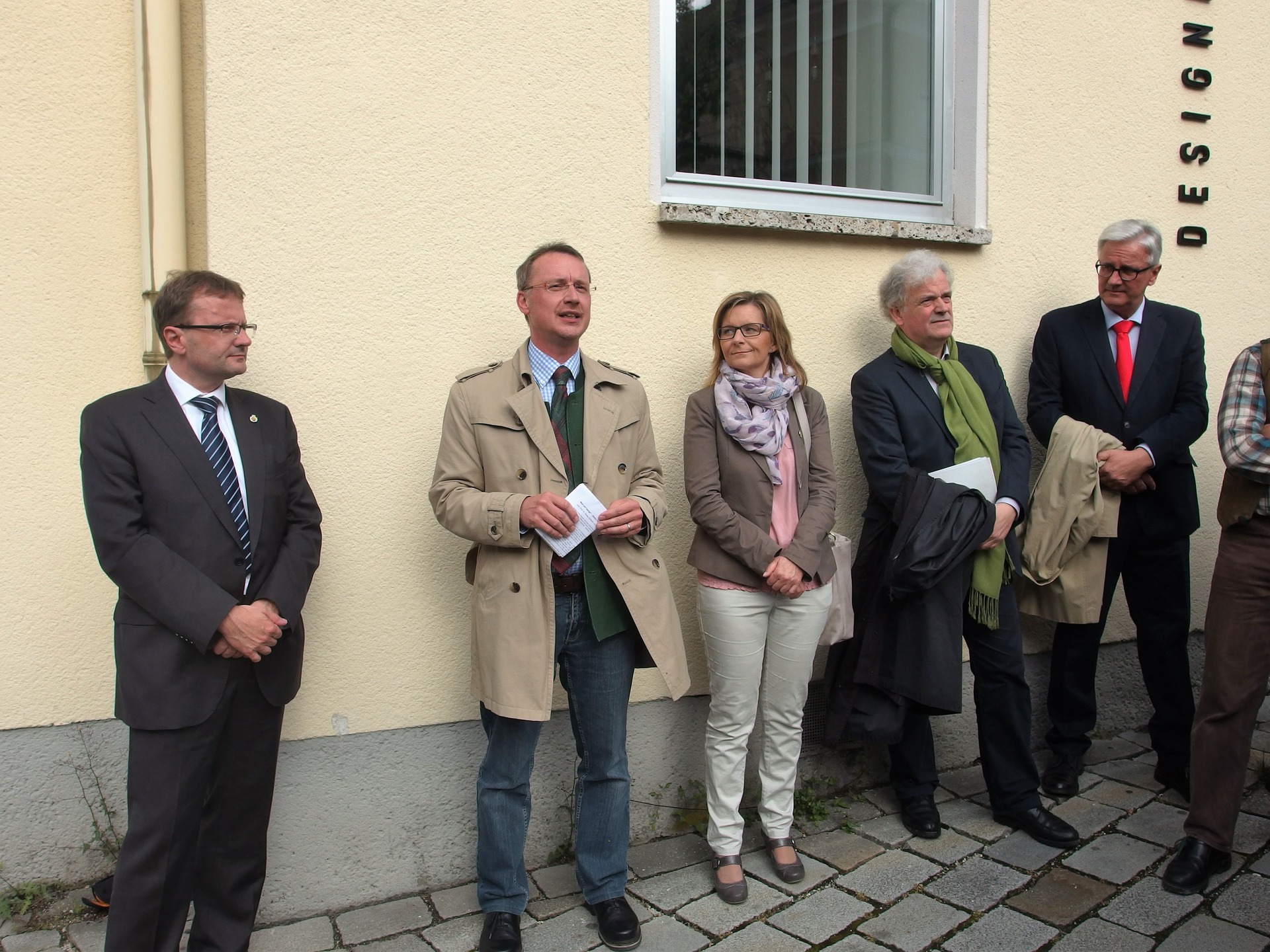
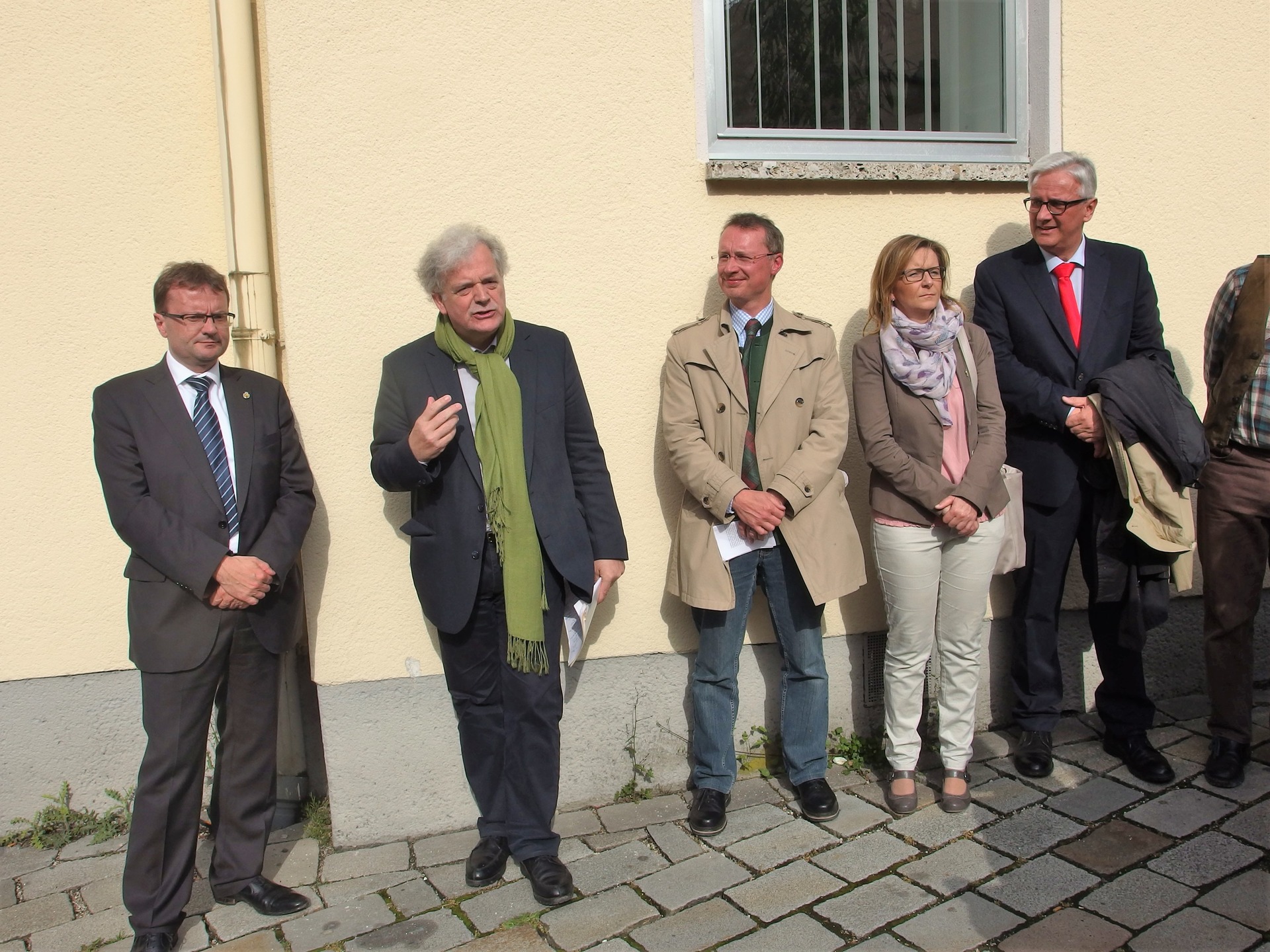
The commemorative plaque was unveiled on 20 May 2016.