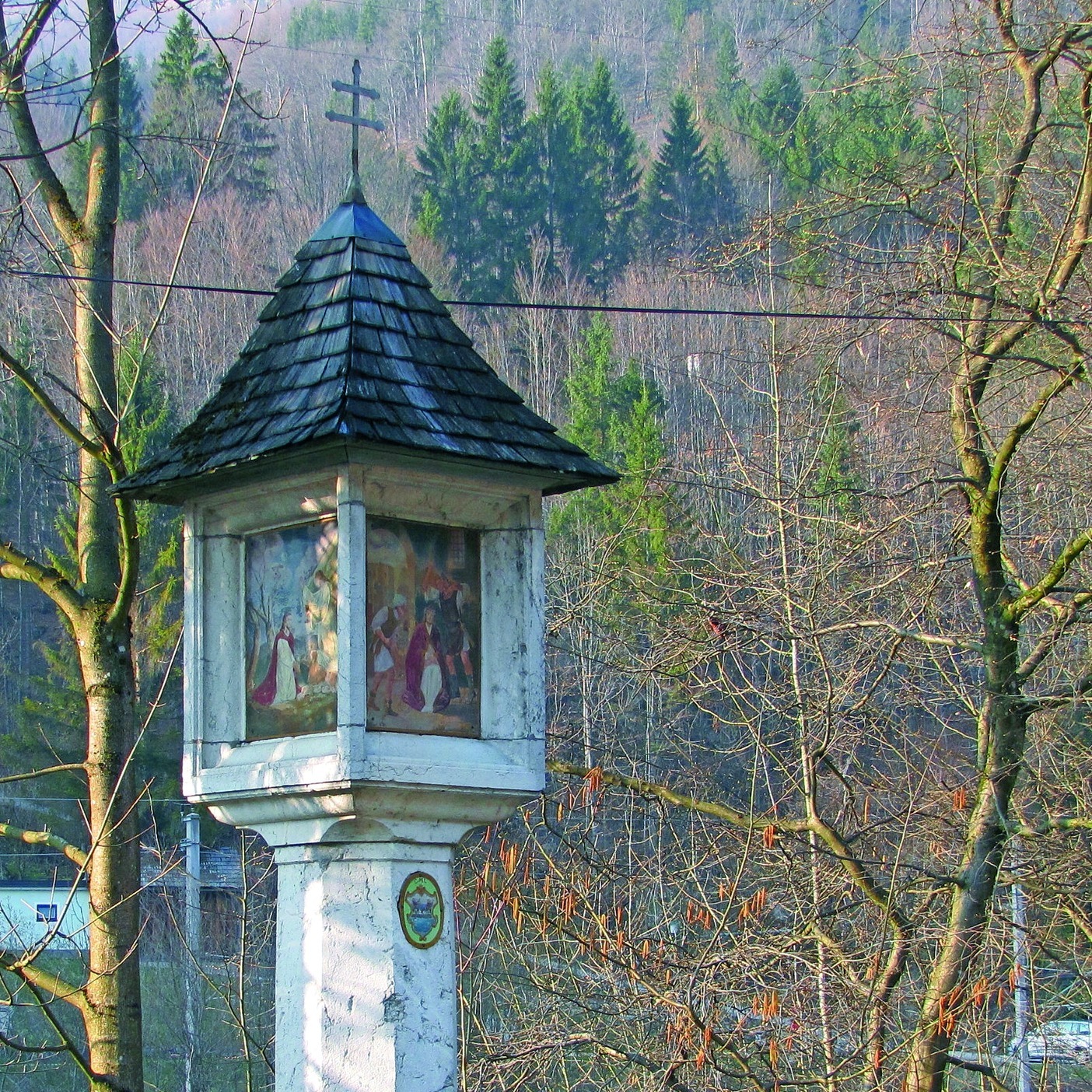
Wayside “Gottsnamstein” shrine
On Lauffner Marktstrasse, approx. 30 m before the underpass at B 145 road
On Lauffner Marktstrasse, approx. 30 m before the underpass at B 145 road
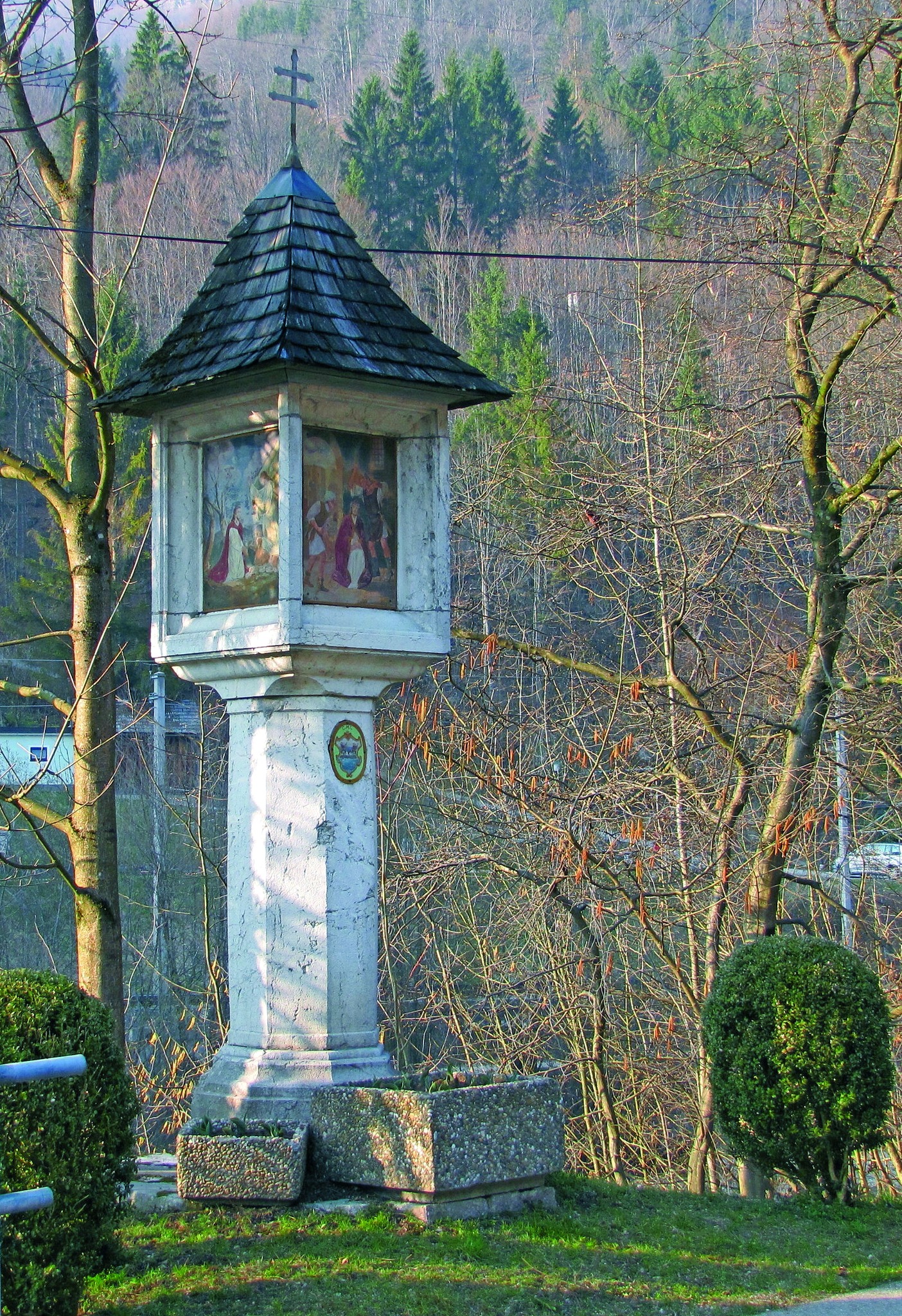
The name of the shrine originates from a custom of the boatmen who travelled down on the Traun River. Before passing the “Wilder Lauffen” rapid, they took their hats off at the sight of the shrine to ask for God's protection for a safe passage.
According to tradition, the wayside shrine owes its construction at the end of the plague epidemic of 1624. Hence, it is also called a plague column. However, the shrine was documented as early as 1540, and its style, which is influenced by the late Gothic, indicates a construction in the 16th century. In 1988, the paintings were replaced by copies.
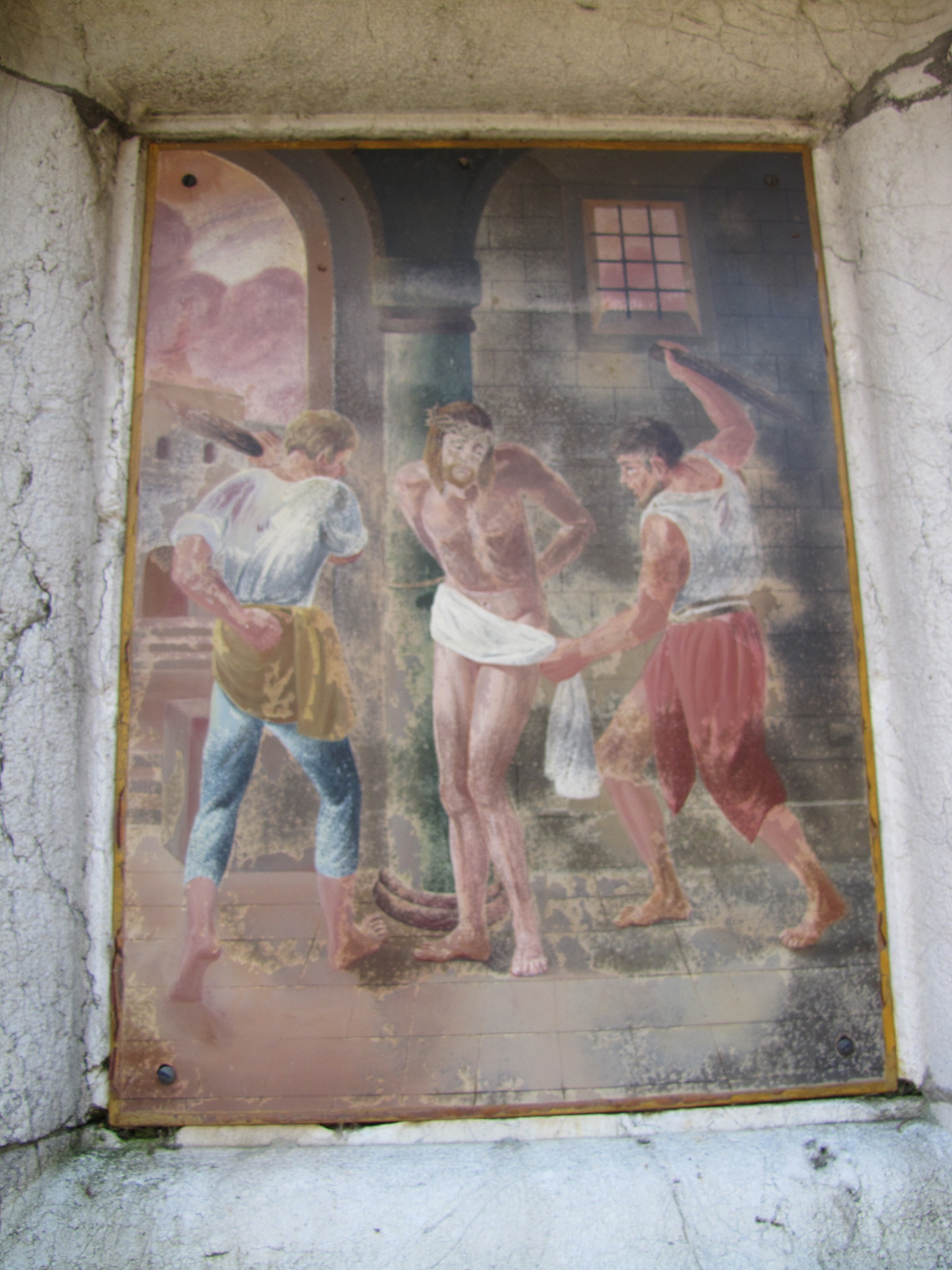
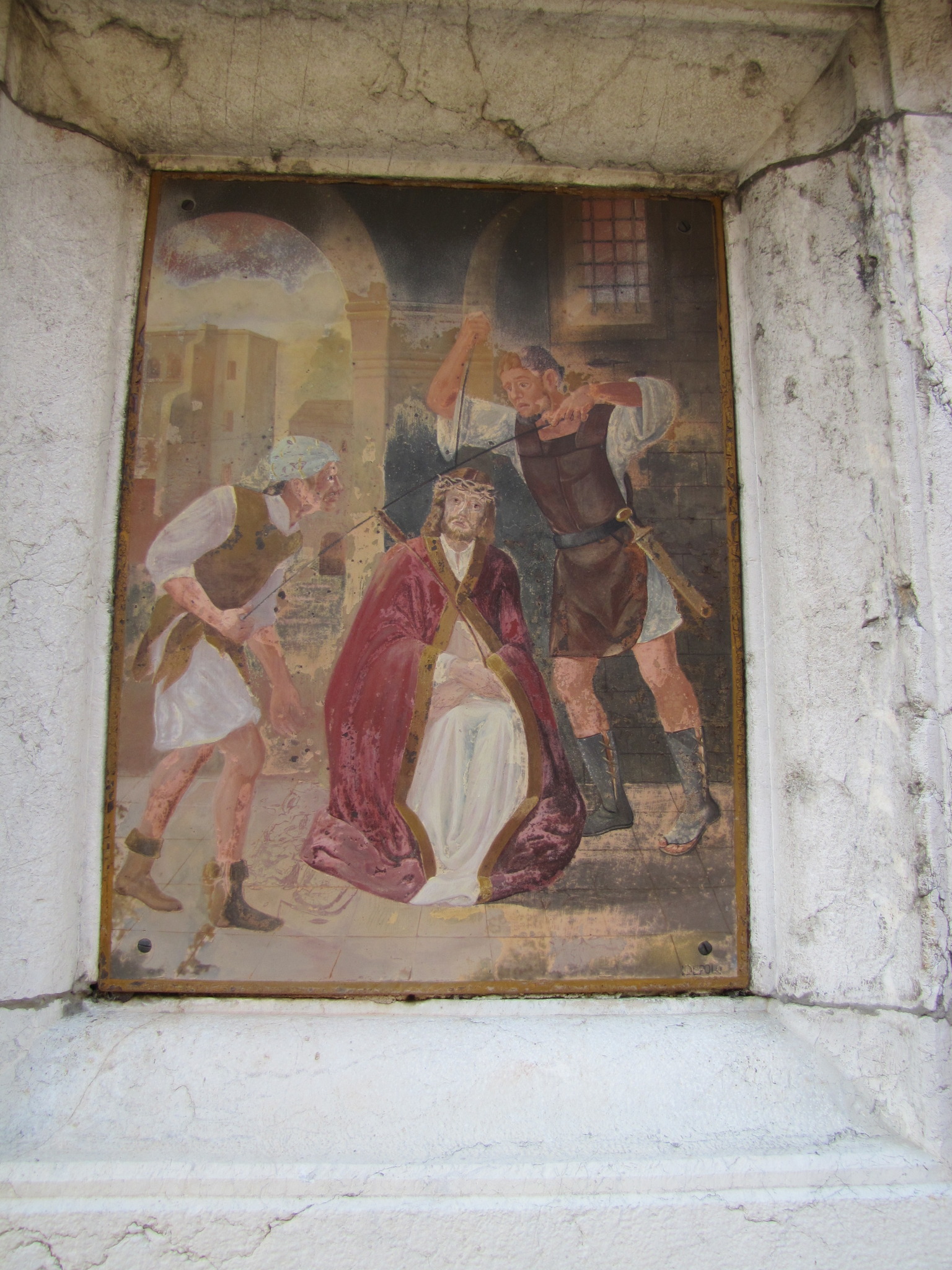
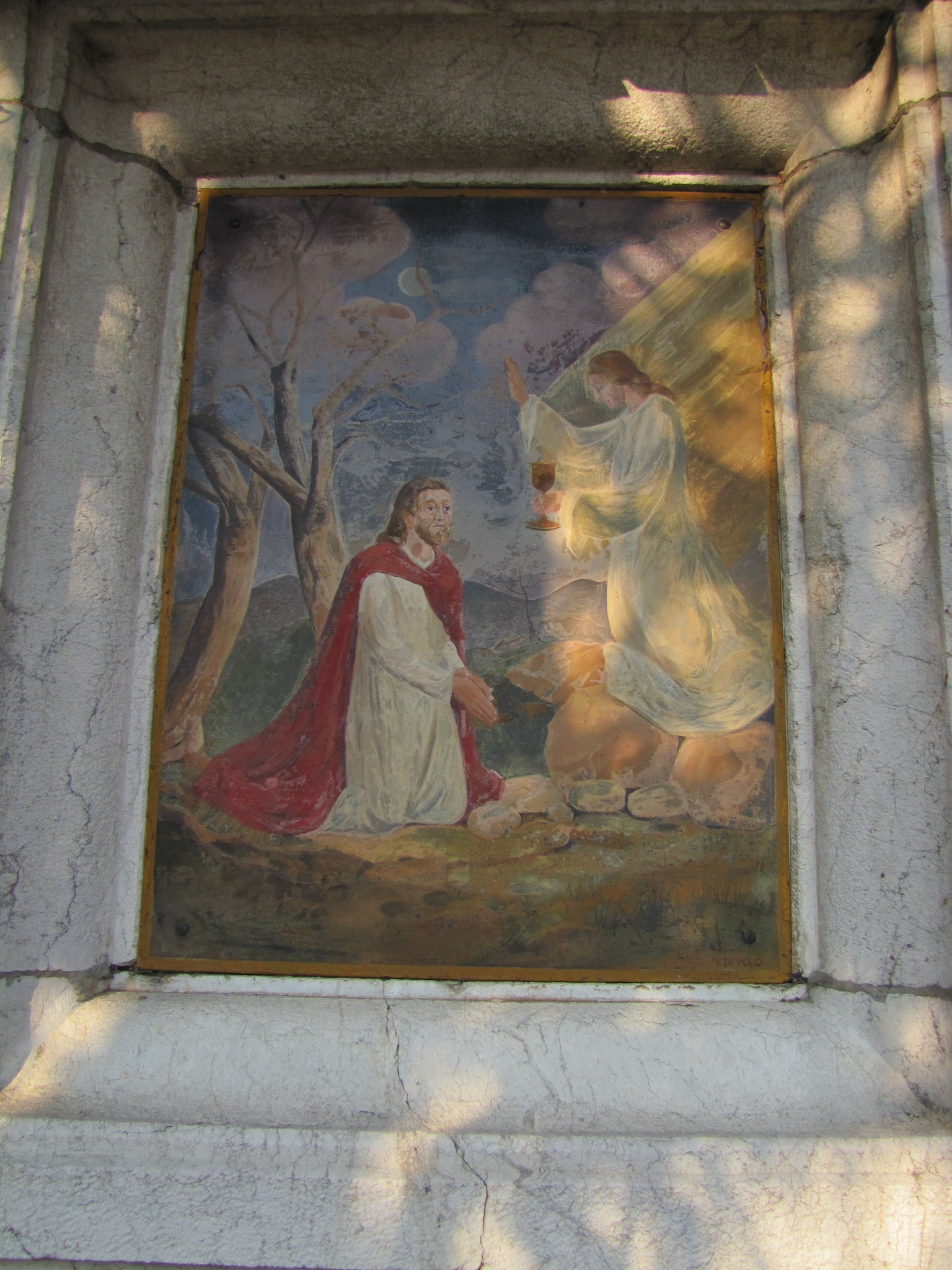
The high wayside shrine with shingle roof and patriarch's cross stands on a platform built into the slope to the Traun River. On an octagonal shaft with a profiled base rest a projecting square monument with three profile-framed niches, each containing a painting on sheet metal: Mount of Olives, Flagellation, and Crowning with Thorns. On the shaft of the shrine, there is an oval tin medallion with the coat of arms of the market town of Lauffen.
Taking into account the shrine’s age, size, and artistic work, the “Gottsnamstoa” is probably the most important wayside shrine in the municipality of Bad Ischl.